Understanding AI Ethics
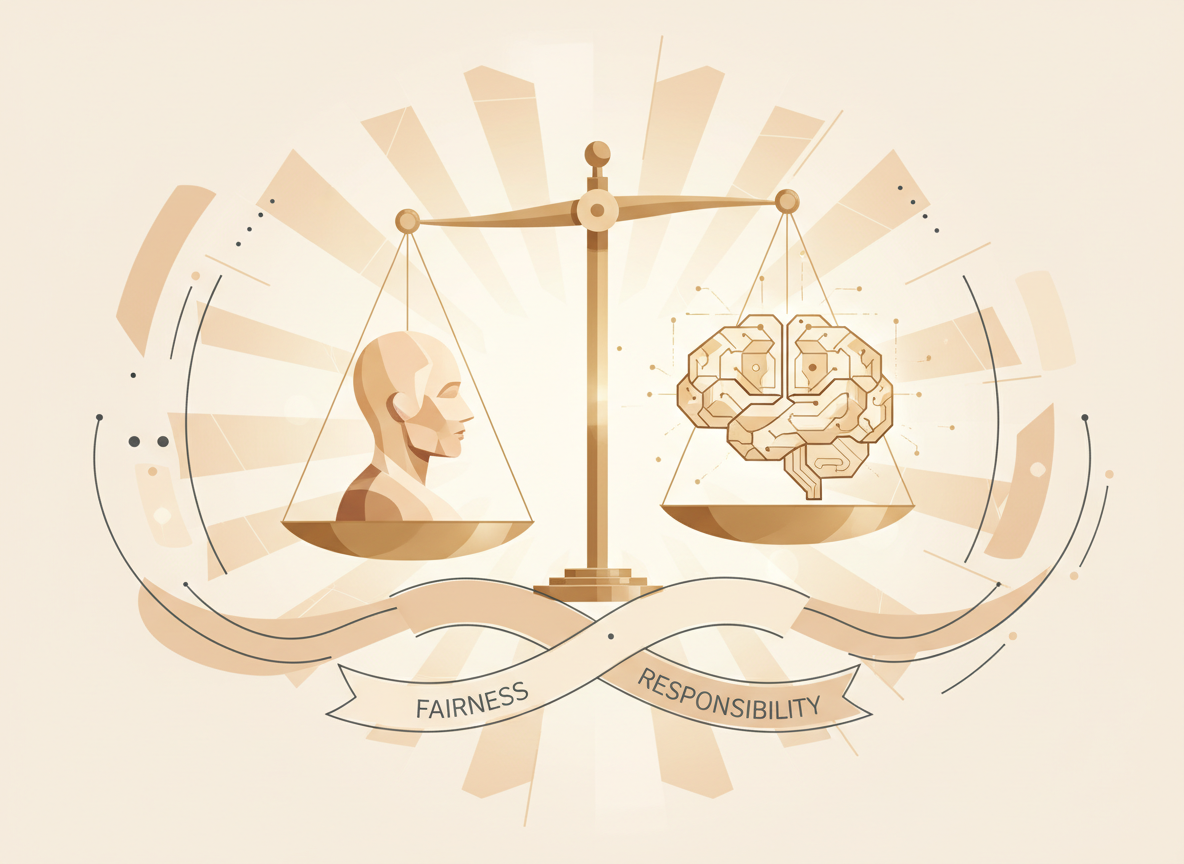
AI ethics involves understanding the moral implications and responsibilities of creating and deploying AI systems. Ethical considerations ensure AI is designed to benefit society, avoid harm, and respect human rights. It encompasses transparency, accountability, fairness, and inclusivity. Ethical AI development requires evaluating potential biases, social impacts, and unintended consequences before deployment. Organizations should establish guidelines and review boards to ensure adherence to ethical principles. By integrating ethics into AI design, developers can build trust, prevent misuse, and create solutions that serve humanity responsibly. Ethics in AI is essential for long-term societal acceptance and sustainability.
Bias in AI and How to Avoid It
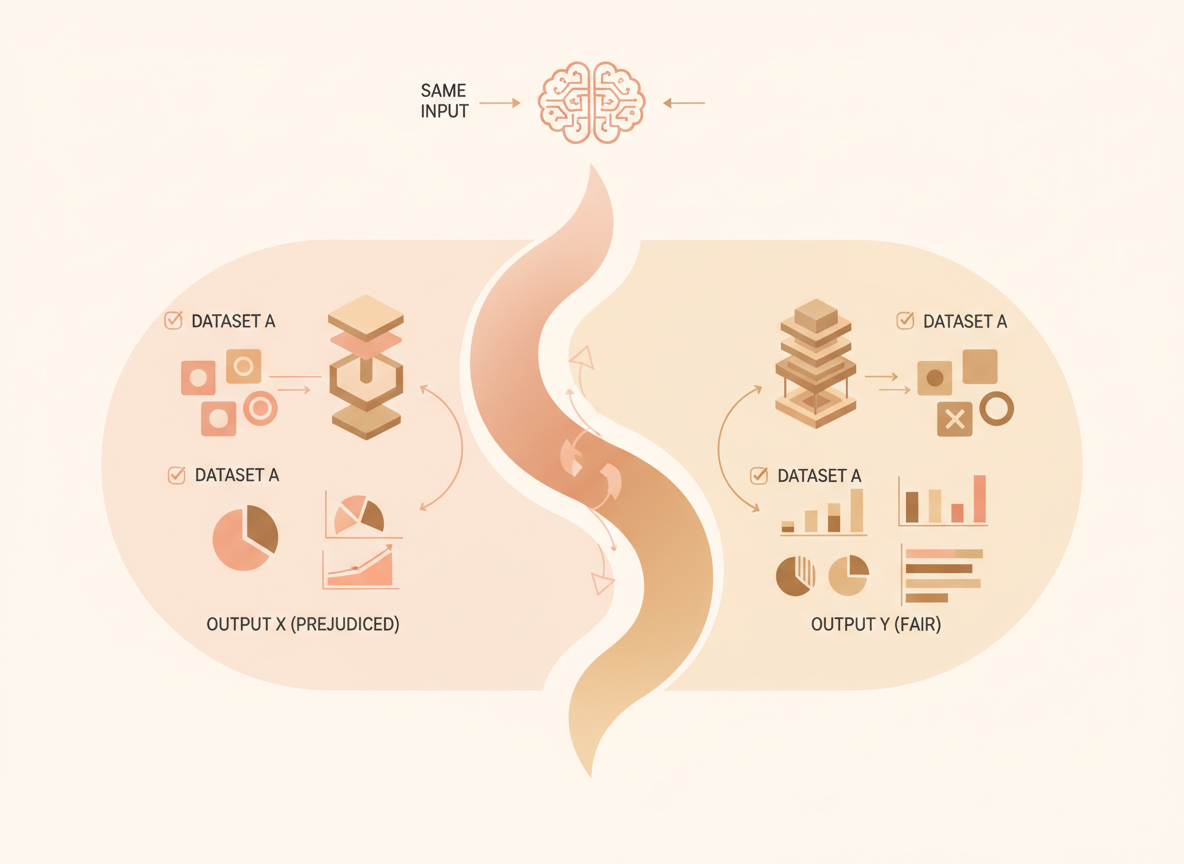
AI systems can inherit biases from training data or human decisions, resulting in unfair outcomes. Bias can manifest in hiring tools, facial recognition, or predictive models. To avoid bias, collect diverse and representative datasets, test models regularly for skewed predictions, and implement fairness metrics. Data preprocessing and careful feature selection reduce unintended favoritism. Transparency in algorithms and decision-making processes helps identify and correct biases. Continuous monitoring and retraining ensure models remain unbiased over time. Addressing bias is crucial for building equitable AI systems that treat all users fairly and maintain public trust in AI-driven decisions.
Privacy and Data Security

AI systems rely on large amounts of data, which may include personal and sensitive information. Ensuring privacy and data security is vital to protect users and comply with legal regulations. Techniques such as data anonymization, encryption, and secure storage prevent unauthorized access. Organizations should adopt strong access controls, audit trails, and compliance with standards like GDPR. Minimizing data collection to only what is necessary reduces risk. Protecting user privacy not only prevents breaches and legal penalties but also strengthens user trust. Responsible data handling is a cornerstone of safe and ethical AI deployment.
Responsible AI Use
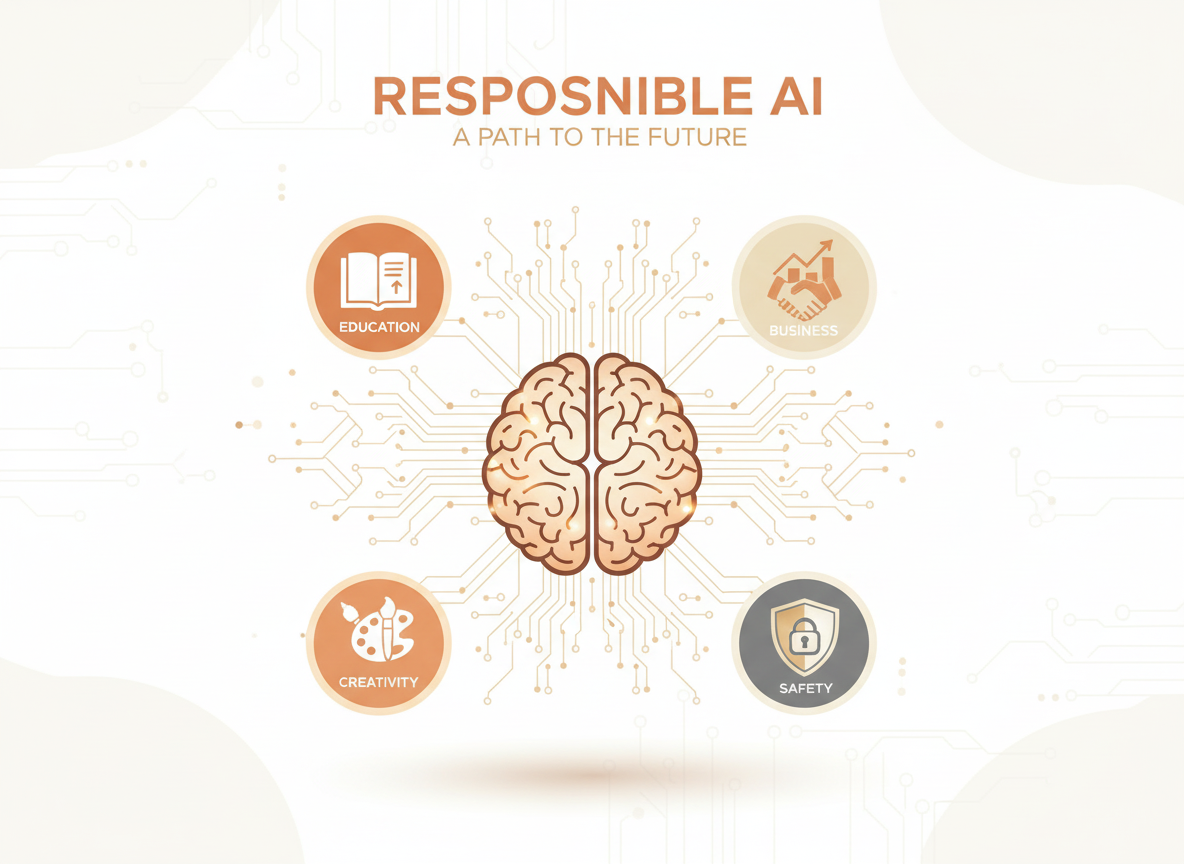
Responsible AI use emphasizes deploying AI in ways that benefit society while minimizing risks. Developers and organizations must ensure AI systems operate transparently, avoid harm, and respect ethical principles. Guidelines include auditing AI for fairness, avoiding manipulative applications, and ensuring accountability for decisions made by AI. Educating users about AI limitations and potential risks promotes informed usage. Responsible AI considers long-term societal impacts and encourages sustainable practices. By fostering responsible AI use, we ensure that technological advancement aligns with human values and contributes positively to social and economic development.