Setting Up Your AI Environment
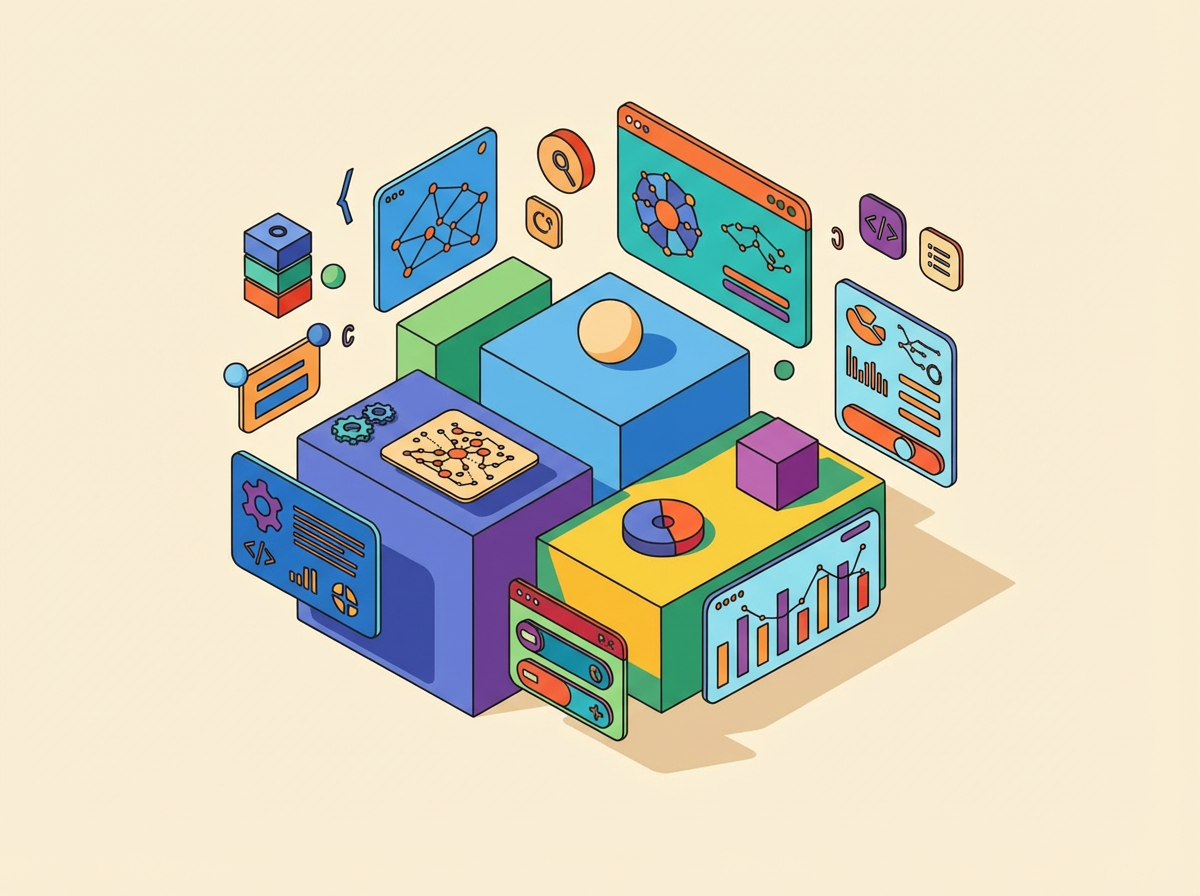
Before building your first AI project, it's important to set up the development environment correctly. Install Python, popular AI libraries like TensorFlow and PyTorch, and environment managers such as Anaconda. A proper setup ensures smooth experimentation, testing, and scalability. Choose an IDE like VSCode or PyCharm for coding efficiently. Organize project folders, manage dependencies, and maintain version control with Git. Ensuring the environment is consistent avoids runtime errors and makes collaboration easier. A well-prepared environment is the first step toward creating robust AI solutions, providing a strong foundation for data handling, model training, and eventual deployment in real-world scenarios.
Choosing a Problem to Solve
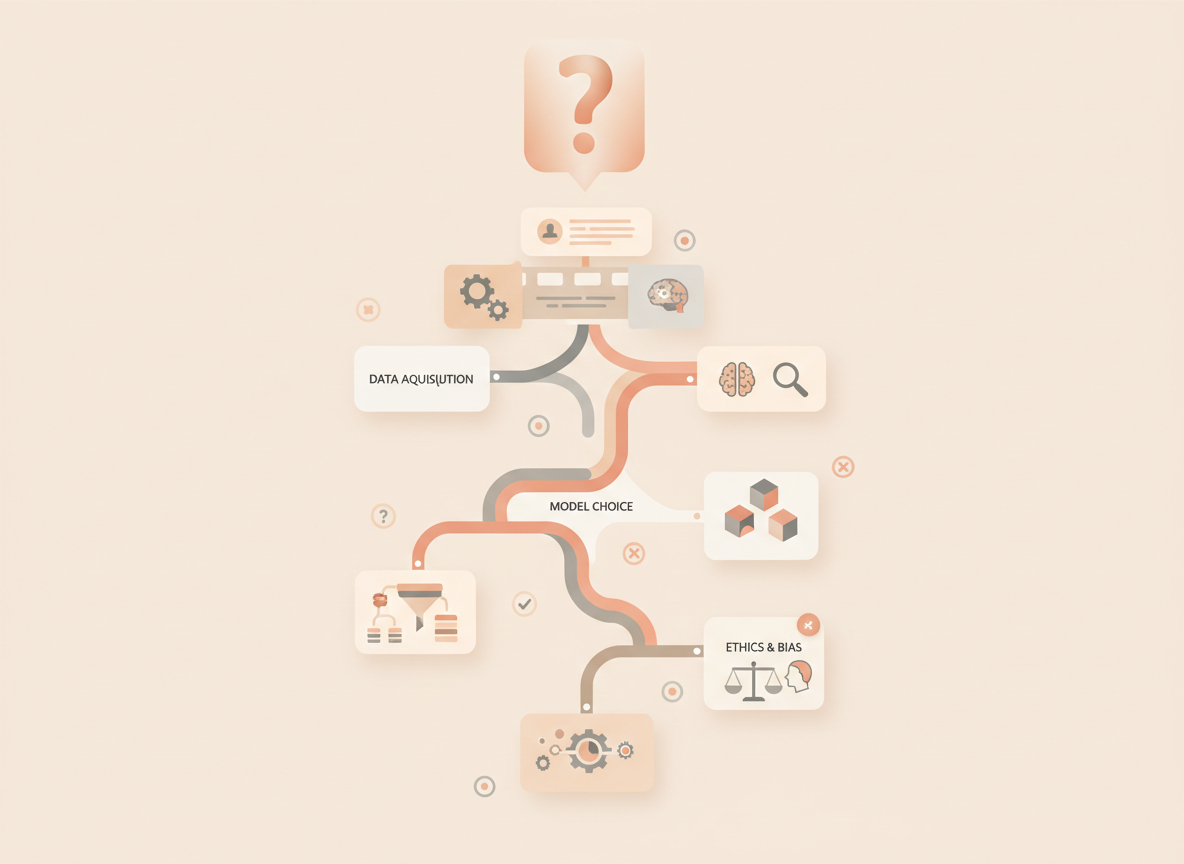
Selecting a meaningful problem is key to your AI project’s success. Identify tasks where AI can add value, such as predicting trends, classifying images, or automating repetitive work. Consider the availability and quality of data, feasibility of model development, and potential impact of the solution. A well-defined problem ensures focus during data collection, preprocessing, and model design. Smaller, achievable problems are ideal for beginners to gain experience without being overwhelmed. Document the problem statement clearly, define success metrics, and plan your workflow. Choosing the right problem motivates learning, drives better results, and gives practical insights into real-world AI applications.
Collecting and Preparing Data
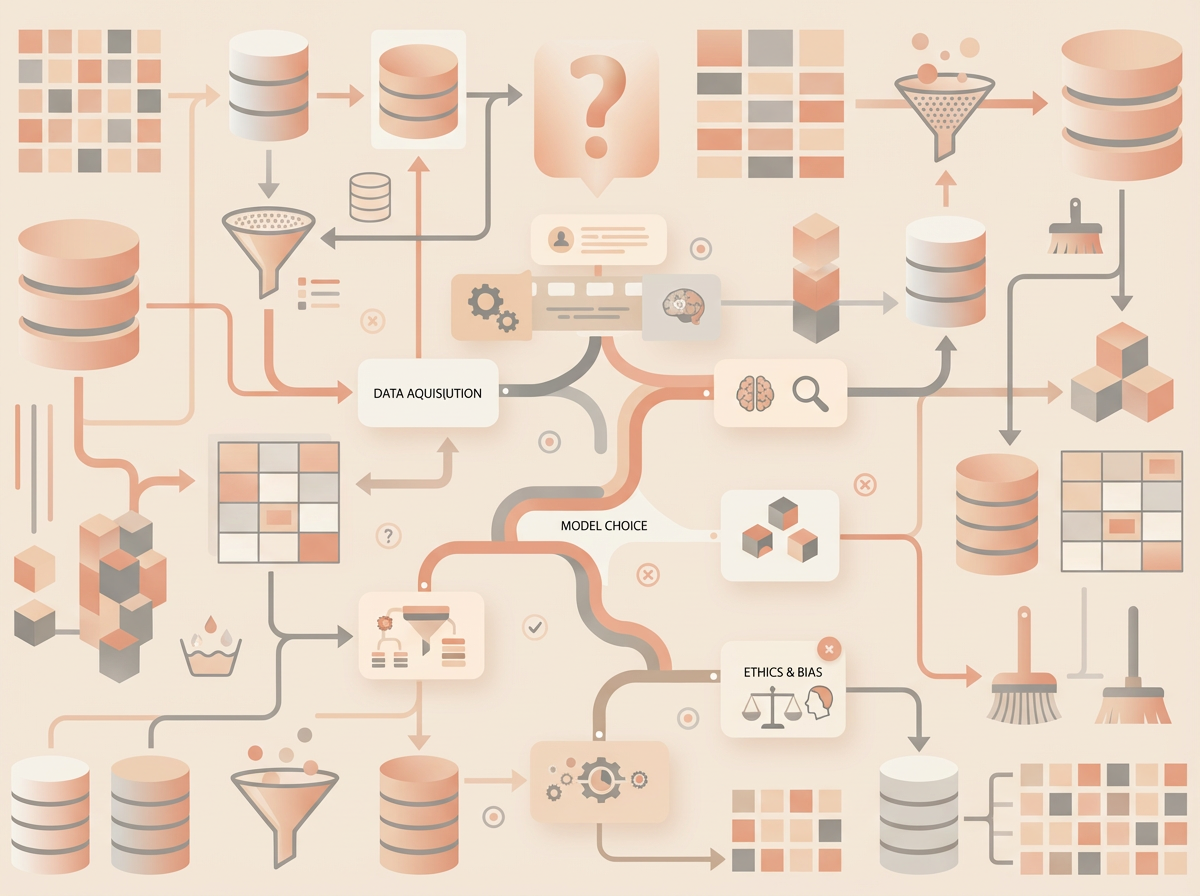
Data is the backbone of AI projects. Collecting high-quality, relevant data is critical for training models effectively. Sources may include public datasets, APIs, or company records. Once collected, clean and preprocess the data: remove duplicates, handle missing values, normalize values, and convert categorical data into numerical form if needed. Data preparation also involves splitting datasets into training, validation, and testing subsets to evaluate model performance fairly. Properly structured data ensures your AI model can learn accurately and avoid bias. This phase often consumes the most time but is essential for achieving reliable, high-performing AI solutions.
Simple AI Project Example
As a first AI project, you might build a simple image classifier or a chatbot. Start with a small dataset to train a lightweight model, test its predictions, and measure accuracy. Use visualization tools to understand data patterns and model behavior. Iteratively tweak hyperparameters like learning rate or network layers to improve results. Document the process, including challenges and solutions, to reinforce learning. Even a small-scale project demonstrates how AI concepts—data preparation, model training, and evaluation—come together. It provides hands-on experience and builds confidence for tackling more complex AI projects in the future.