Machine Learning Basics
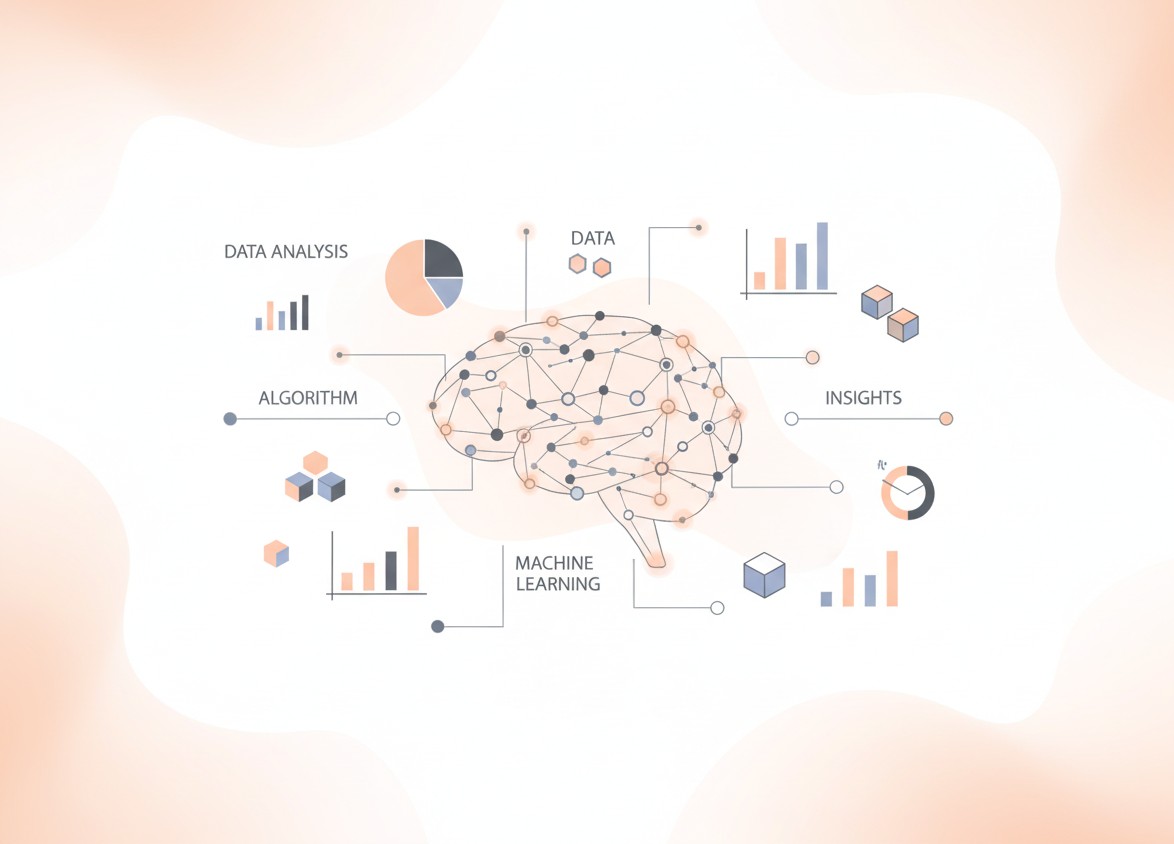
Machine Learning (ML) is a core subset of AI that enables systems to learn from data rather than follow explicit instructions. By analyzing historical datasets, ML models identify patterns, make predictions, and improve performance over time. Common applications include recommendation systems, spam filters, and predictive analytics. Supervised learning uses labeled data to teach the model, while unsupervised learning finds hidden patterns in unlabeled datasets. Reinforcement learning trains agents through trial and error to achieve specific goals. ML is behind many AI innovations, making it possible for systems to adapt and perform complex tasks efficiently without constant human intervention. It’s the foundation of modern AI technologies.
Neural Networks Made Simple
Neural networks are computing systems inspired by the human brain’s architecture. They consist of layers of interconnected nodes, or neurons, which process and transmit information. Each neuron applies mathematical operations to input data and passes the output to the next layer. Neural networks excel at recognizing patterns in complex data such as images, speech, and text. Deep learning is a type of neural network with multiple hidden layers, enabling higher accuracy and sophisticated feature extraction. Training a network involves adjusting weights based on error feedback to minimize mistakes. Neural networks power advanced AI tasks like image recognition, language translation, and autonomous driving, making them indispensable in modern AI development.
Natural Language Processing (NLP)

Natural Language Processing (NLP) allows computers to understand, interpret, and generate human language. NLP combines linguistics and AI algorithms to analyze text, speech, and sentiment. Common applications include chatbots, language translation, and voice assistants like Siri or Alexa. Techniques such as tokenization, stemming, and sentiment analysis help machines understand context and meaning. Modern NLP models like GPT-4 use deep learning to generate coherent text, answer questions, and even create stories. By bridging the gap between human communication and computer understanding, NLP enables seamless interactions, improves accessibility, and powers intelligent systems that can process large amounts of language data efficiently and accurately.
Computer Vision in AI
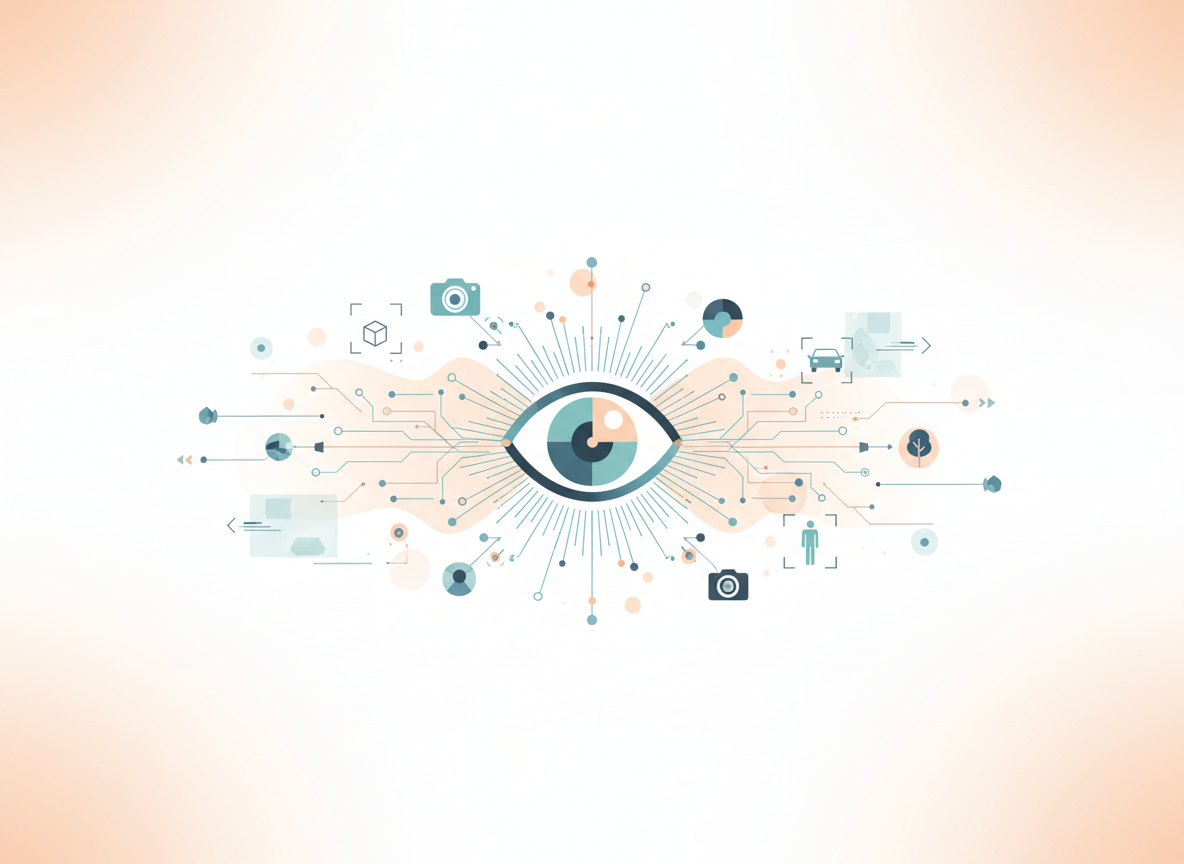
Computer Vision allows machines to interpret and analyze visual information from the world. Using cameras and sensors, AI systems can detect objects, recognize faces, track movements, and even interpret emotions. Techniques such as convolutional neural networks (CNNs) help process images efficiently, enabling tasks like medical image analysis, self-driving car navigation, and security surveillance. Computer Vision powers many real-world applications, from augmented reality filters to automated manufacturing inspection. By converting visual data into actionable insights, this AI technology helps industries automate processes, enhance safety, and create smarter user experiences. It continues to evolve rapidly, opening new possibilities for intelligent vision systems.