Popular AI Tools in 2025
In 2025, AI tools have become increasingly accessible for individuals and businesses alike. Platforms for natural language processing, image generation, and predictive analytics dominate the market. Tools like ChatGPT, MidJourney, and AI-powered code assistants allow users to automate tasks, generate creative content, and analyze data quickly. Businesses integrate AI chatbots for customer support, while students and educators leverage AI tutors for personalized learning. Even productivity software now uses AI to summarize documents, optimize schedules, and provide actionable insights. The continuous improvement in these tools, along with user-friendly interfaces, ensures AI can be harnessed efficiently without requiring deep technical knowledge. These tools are redefining workflows globally.
AI in Education and Learning
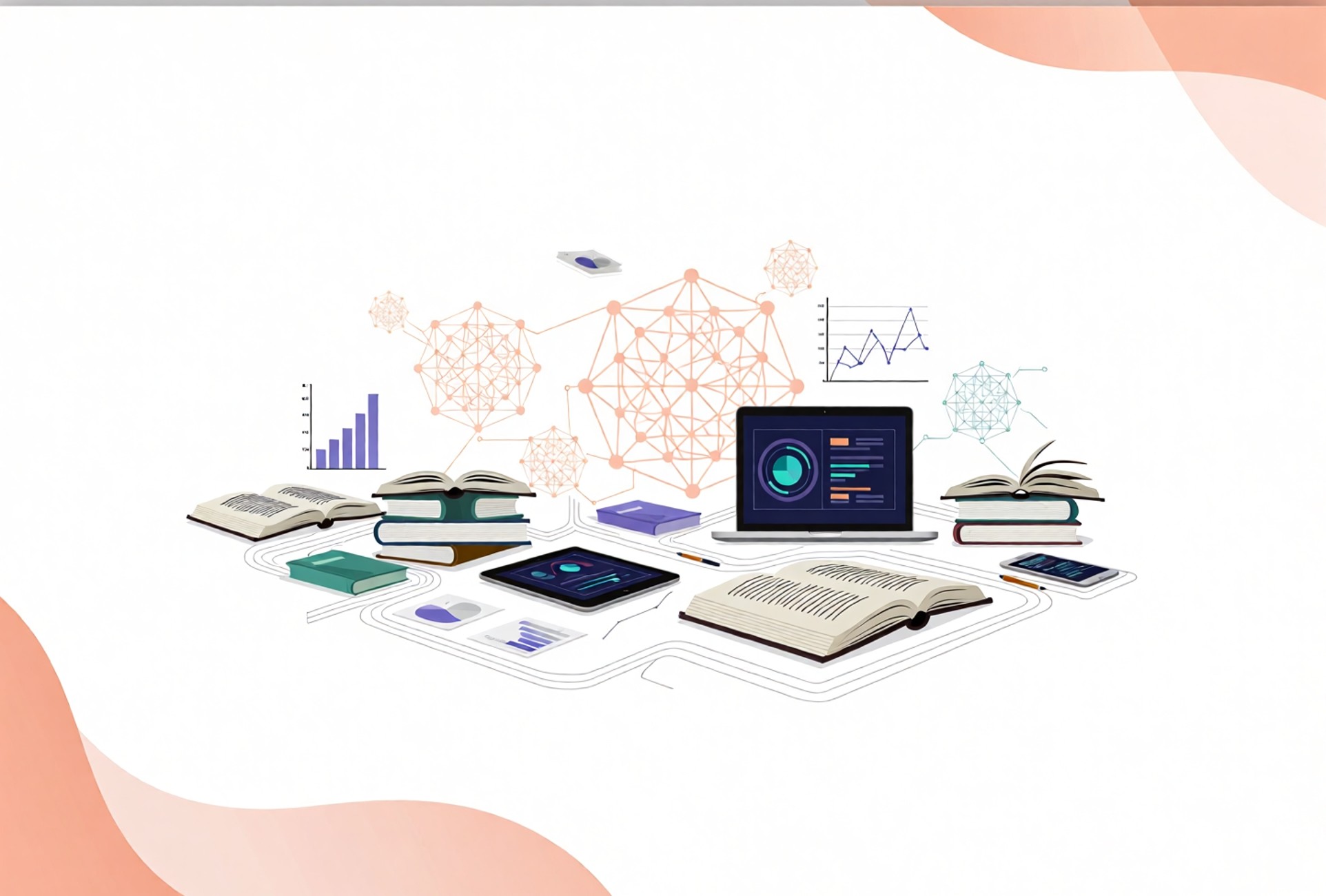
AI in education has revolutionized how students learn and teachers instruct. Adaptive learning platforms analyze student performance to provide personalized recommendations, ensuring weaker areas are strengthened. AI tutors can assist with homework, offer instant explanations, and generate practice exercises. Additionally, AI can summarize textbooks, highlight key concepts, and even generate interactive quizzes. Universities employ AI for administrative efficiency and research analysis. Beyond academics, AI helps students discover interests through intelligent career guidance tools. By automating repetitive tasks for teachers, AI allows them to focus more on creative teaching methods. As AI becomes integrated into learning, it fosters a more efficient and engaging educational experience.
AI in Business and Productivity
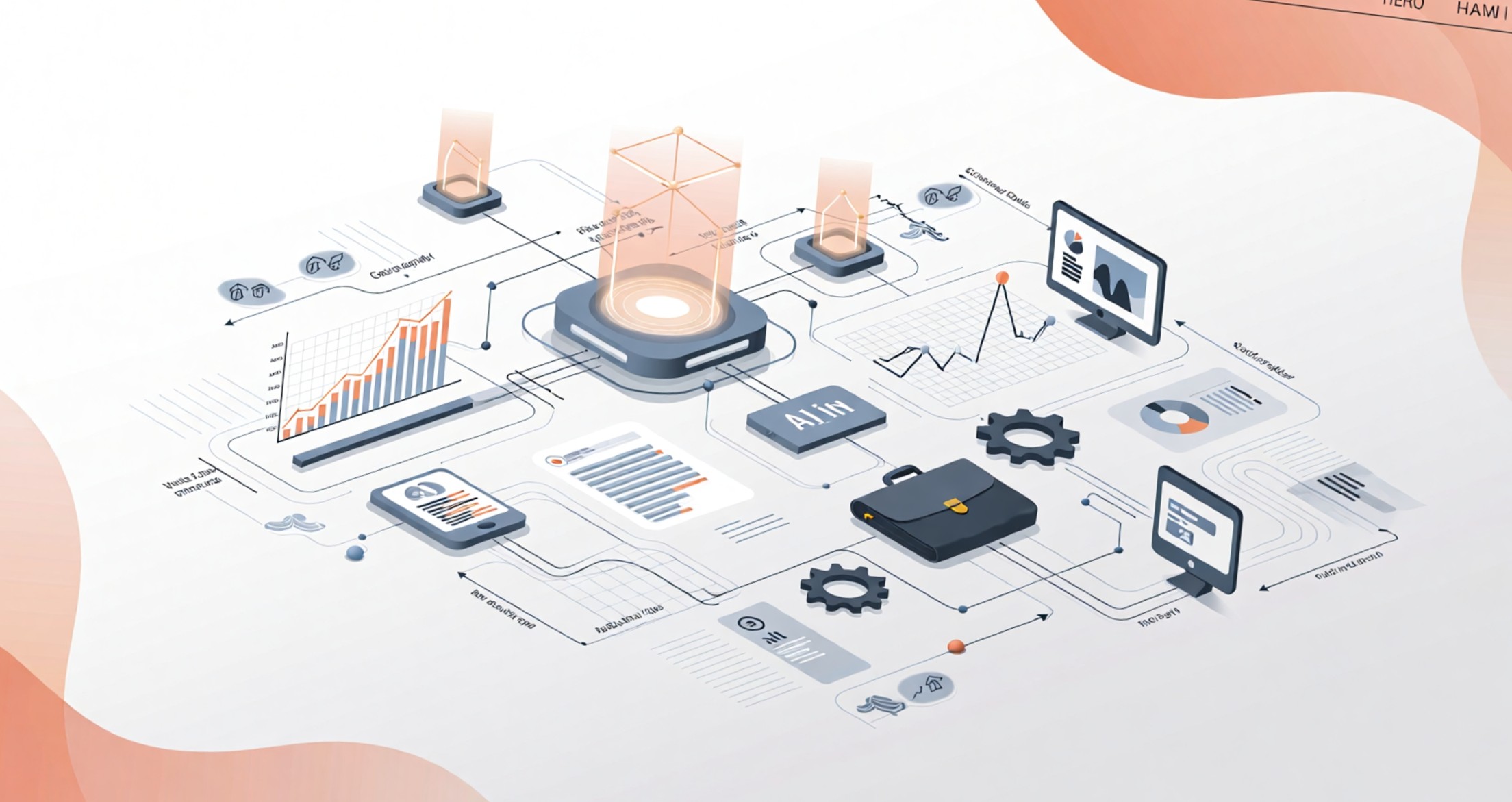
Businesses worldwide leverage AI to enhance productivity, streamline processes, and make smarter decisions. Predictive analytics enables better inventory and supply chain management, while AI-powered assistants handle scheduling, emails, and data analysis. Marketing campaigns benefit from AI-generated insights about customer behavior, helping companies target audiences more effectively. Additionally, AI automates routine tasks, reducing human error and freeing employees for higher-value work. From startups to multinational corporations, the integration of AI tools increases efficiency, supports data-driven decision-making, and fosters innovation. Organizations adopting AI gain competitive advantages, enabling faster responses to market changes and improved overall performance.
AI for Creativity (Art, Music, Writing)
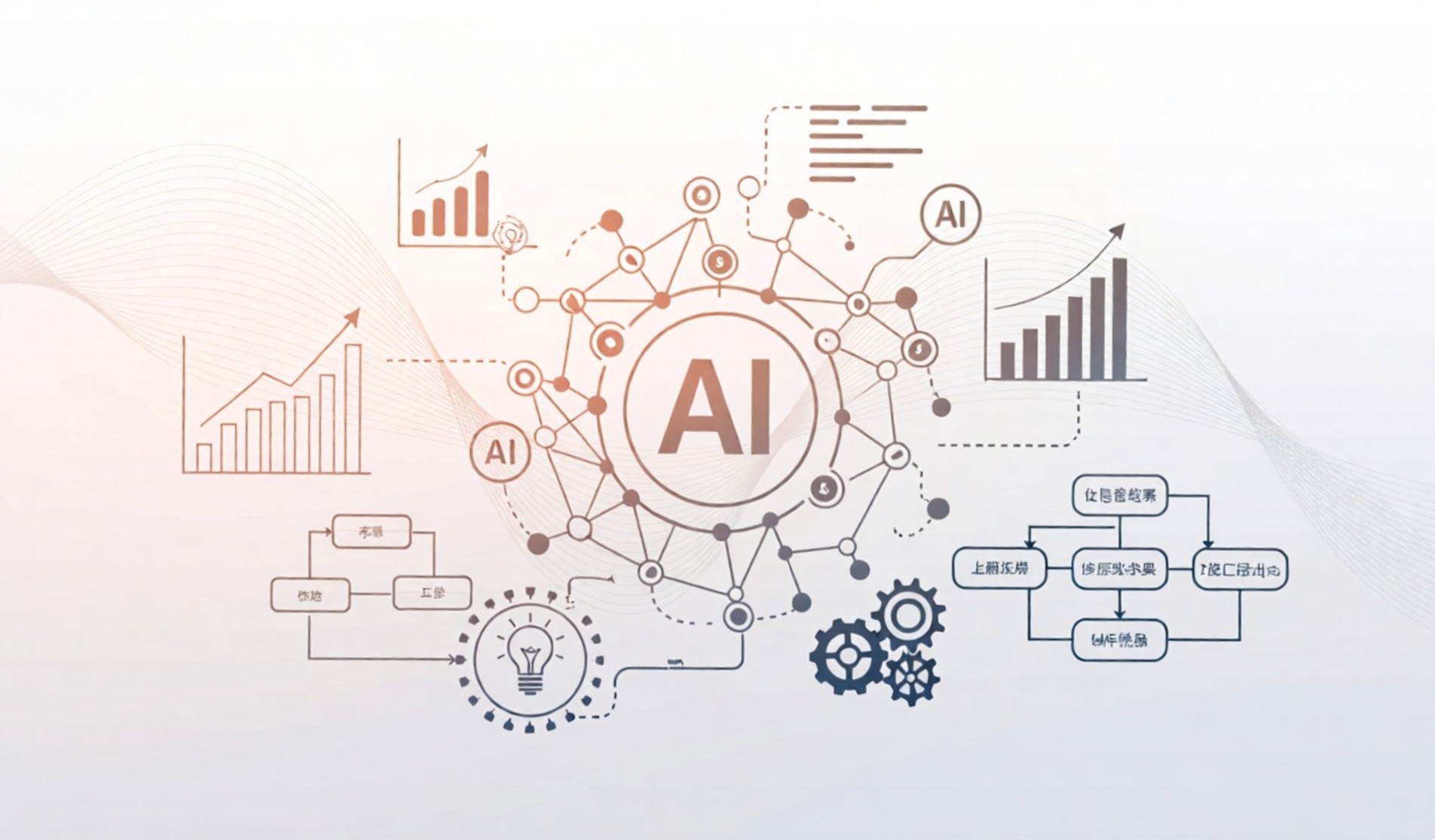
AI has unlocked new avenues for creativity. Artists, musicians, and writers can now use AI to generate unique works, brainstorm ideas, and refine their creations. AI tools can compose music, design graphics, write stories, and even suggest improvements to scripts or melodies. This technology enables experimentation without the constraints of traditional methods, offering instant feedback and inspiration. While AI assists the creative process, human intuition and emotion remain essential to producing meaningful art. Collaborative AI tools allow creators to explore concepts faster, test variations, and bring innovative ideas to life. Overall, AI is expanding creative possibilities for professionals and hobbyists alike.